
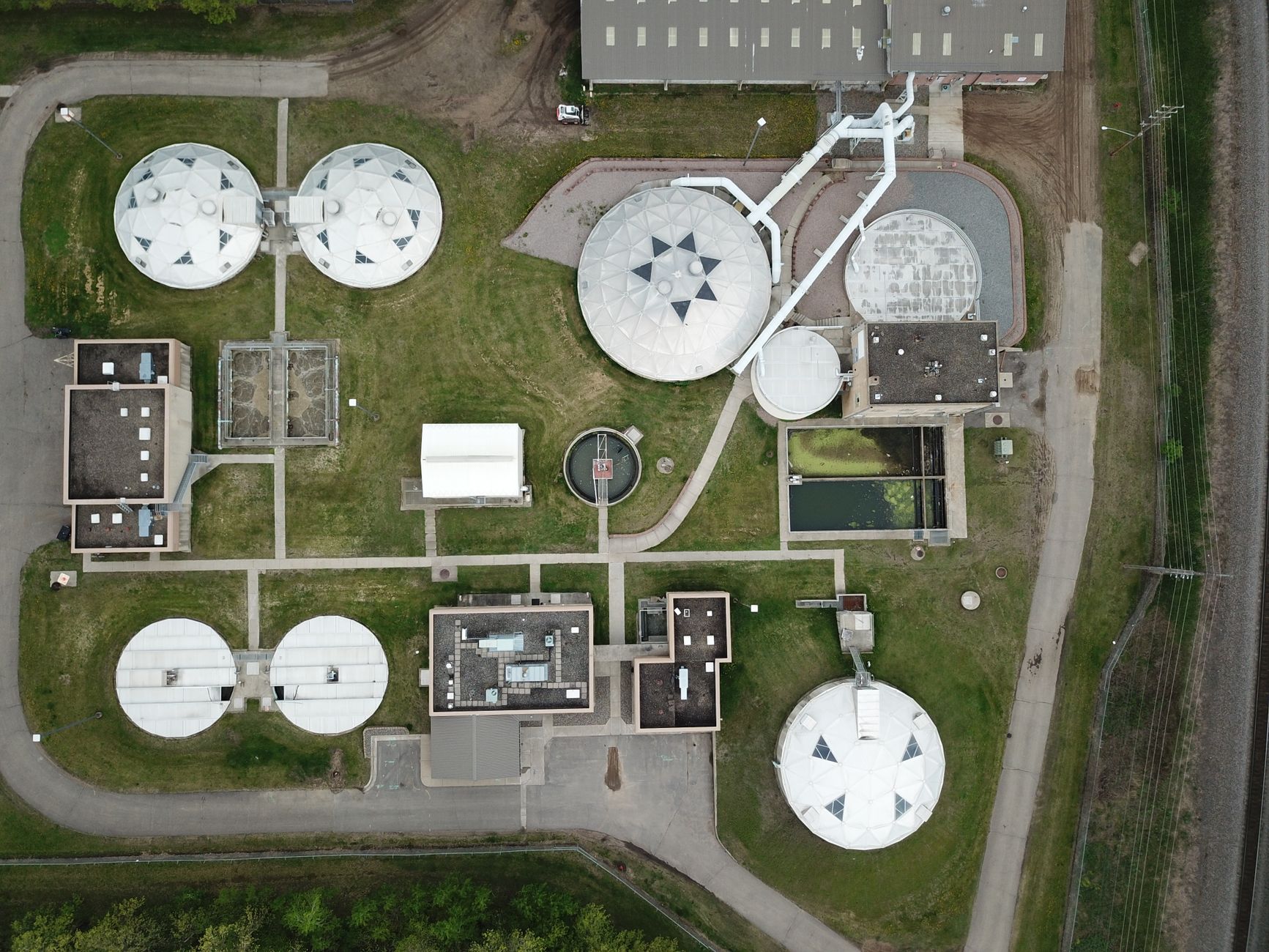
The water revival plan aims to enhance resource management and community benefits through the implementation of 51 recharge shafts.
Understanding the Water Revival Plan
The Water Revival Plan is an innovative initiative aimed at restoring and managing water resources effectively. It emphasizes sustainable practices to enhance water availability in regions facing scarcity. The plan involves a comprehensive approach that integrates both technology and community participation.
Key components of the Water Revival Plan include:
- Construction of Recharge Shafts: These structures facilitate the infiltration of rainwater into the ground, replenishing aquifers and improving groundwater levels.
- Community Engagement: Local communities are encouraged to participate in water conservation activities, fostering a sense of ownership and responsibility towards water resources.
- Awareness Campaigns: Educational programs are implemented to inform the public about the importance of water conservation and sustainable practices.
- Monitoring and Evaluation: Continuous assessment of water resources and the effectiveness of implemented strategies ensures that the plan adapts to changing environmental conditions.
By addressing the root causes of water scarcity, the Water Revival Plan aims not only to restore water supplies but also to promote long-term sustainability and resilience in water management.
Key Benefits of the Water Revival Plan
The Water Revival Plan offers numerous advantages that significantly enhance water management and sustainability. By implementing this comprehensive strategy, communities can experience a range of benefits, including:
- Improved Water Quality: The plan emphasizes the restoration of natural water systems, leading to cleaner and healthier water sources.
- Increased Water Availability: With the establishment of recharge shafts and other infrastructure, the plan ensures a more reliable water supply for both residential and agricultural needs.
- Enhanced Ecosystem Health: By promoting the natural flow of water and reducing pollution, the revival plan supports local ecosystems, benefiting wildlife and plant life.
- Community Engagement: The initiative encourages local participation, fostering a sense of ownership and responsibility among residents regarding water conservation.
- Economic Benefits: A well-managed water supply can lead to reduced costs for communities, as well as improved agricultural yields and job creation in related sectors.
Overall, the Water Revival Plan serves as a vital framework for sustainable water management, ensuring long-term benefits for both people and the environment.
How the Water Revival Plan Impacts Telecom
The implementation of the Water Revival Plan has significant implications for the telecom sector. As water scarcity continues to challenge various industries, effective water management becomes crucial for sustaining operations and ensuring service reliability.
Telecom companies rely heavily on water for their infrastructure, including cooling systems for data centers and maintaining network operations. The revival plan addresses these needs by promoting sustainable water practices that can enhance operational efficiency. Key impacts include:
- Enhanced Infrastructure Resilience: By ensuring a consistent water supply, telecom companies can maintain critical services even during drought conditions.
- Cost Savings: Efficient water management reduces operational costs associated with water procurement and treatment.
- Corporate Responsibility: Aligning with the Water Revival Plan demonstrates a commitment to sustainable practices, enhancing brand reputation and customer loyalty.
Furthermore, increased collaboration between the telecom sector and local authorities can lead to innovative solutions that address both water management and connectivity challenges, fostering a more resilient and sustainable future.
Challenges in Implementing the Water Revival Plan
The implementation of the water revival plan faces several challenges that can hinder its effectiveness. One major hurdle is the lack of community engagement. Without local support and participation, initiatives may struggle to gain traction, leading to underutilized resources.
Additionally, financial constraints pose a significant obstacle. Many regions may not have the necessary funding to support the extensive infrastructure and maintenance required for the plan. This limitation can result in incomplete projects or delays in implementation.
Another challenge is the variability of climate conditions, which can impact water availability and recharge rates. This unpredictability necessitates adaptive strategies that may not be readily available or well understood by all stakeholders.
Furthermore, there is often a lack of technical expertise in managing and executing the components of the water revival plan. To address these issues, a multi-faceted approach that includes training programs, community outreach, and sustainable financing is essential.
Lastly, bureaucratic hurdles can slow down decision-making processes, preventing timely action on critical water management initiatives.
Future Prospects of the Water Revival Plan
The future prospects of the water revival plan appear promising as various stakeholders come together to enhance water management in their regions. With the successful launch of 51 recharge shafts, communities are witnessing tangible benefits, which could serve as a model for broader implementation.
Key developments expected in the coming years include:
- Increased Awareness: Educational campaigns will be vital in promoting the importance of water conservation among residents.
- Technological Innovations: The integration of smart technologies for monitoring water levels and quality will improve management efficiency.
- Community Engagement: Involving local residents in decision-making processes will foster a sense of ownership and responsibility.
- Partnerships: Collaborations between government entities, NGOs, and private sectors can boost resources and expertise.
- Replication of Success: The experience gained from the initial phases can guide other regions in adopting similar water revival initiatives.
Ultimately, the ongoing commitment to the water revival plan will be crucial in addressing water scarcity and ensuring sustainable water resources for future generations.
Community Involvement in the Water Revival Plan
Community involvement plays a crucial role in the success of the water revival plan. Engaging local residents not only fosters a sense of ownership but also ensures that the initiatives are tailored to the specific needs of the community.
One of the key strategies for effective management is the establishment of community-led committees that oversee the implementation of various projects. These committees can:
- Promote awareness: Educating residents about the importance of water conservation and the benefits of the revival plan.
- Encourage participation: Mobilizing volunteers for activities such as tree planting and maintenance of recharge shafts.
- Facilitate feedback: Gathering input from the community to adapt strategies and improve future initiatives.
Additionally, collaboration with local schools and organizations can enhance outreach efforts and create a culture of sustainability. When community members feel involved, they are more likely to support and sustain the water revival plan, ultimately leading to a more resilient water management system.
Photo by Giant Asparagus on Pexels